Native American Man Embroidery Design
A Thoughtful, Handmade Touch for Meaningful Gifts
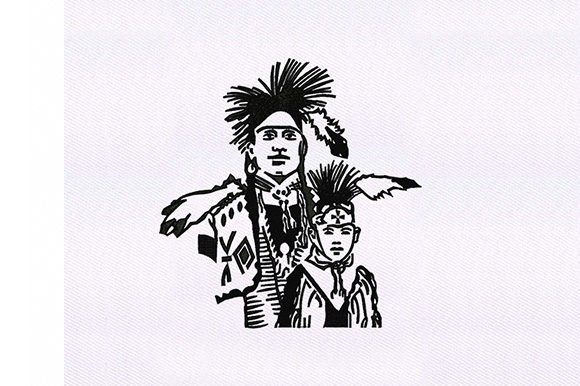
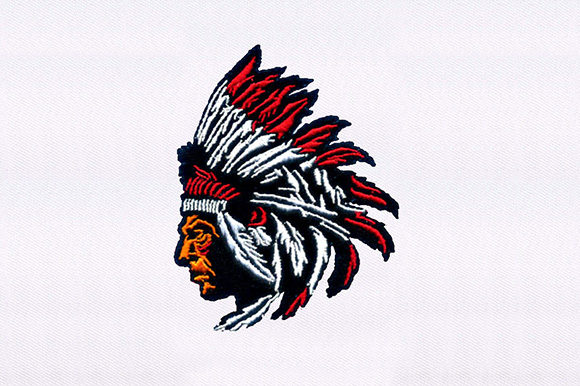
As an embroidery designer who’s stitched thousands of personalized pieces—from baby blankets to wedding towels—I approached Native American Man with both curiosity and care. First impression? It carries quiet dignity and warmth—not flashy or overly stylized, but rich in subtle line work and balanced proportion. The design reads as respectful, serene, and intentionally soft-edged—ideal for handmade gifts where emotional resonance matters more than bold graphic impact. It leans classic and timeless rather than trendy, making it a versatile anchor for nursery decor, family keepsakes, or custom home textiles.
Where This Design Truly Shines
Native American Man isn’t just another machine embroidery design—it’s a storytelling element. I’ve used it on organic cotton baby blankets (stitched in muted earth-tone threads), linen pillow covers for rustic wedding guest rooms, and even heavyweight embroidered towels for boutique hotel welcome kits. Its clean silhouette and moderate detail level hold up beautifully across fabric types: the face features gentle contouring, not sharp angles; the headdress flows with graceful curves; and the overall composition avoids tiny, fragile elements that snag or blur on textured surfaces.
- Baby embroidery: Works wonderfully on swaddle blankets and crib bumper sets—especially when paired with neutral thread palettes (sage, terracotta, charcoal) for gender-neutral appeal.
- Wedding gift: Stitched onto monogrammed linen napkins or hand-stitched burlap coasters, it adds cultural depth and artisanal sincerity to wedding favors.
- Family keepsakes: Embroidered onto a memory quilt square or framed hoop art, it becomes a quiet heirloom piece—especially meaningful when gifted alongside a handwritten note about heritage or values.
- Nursery decor: On muslin wall hangings or wooden crib mobiles with embroidered accents, it brings calm visual rhythm without overwhelming a soft, minimalist space.
- Personalized home decor: Think embroidered tea towels, aprons for cooking classes, or tote bags for craft fairs—each one feels intentional, not mass-produced.
Practical Considerations for Real-World Stitching
This is where experience matters. Native American Man performs well—but only when matched thoughtfully to fabric, stabilizer, and end use. On stretchy baby onesies? Skip it—opt instead for stable woven fabrics like quilting cotton, linen, or medium-weight terry. On dark fabric? Test your thread contrast first: matte cotton threads (like Isacord or Glide) often read richer than shiny polyester on deep navy or charcoal. For thick blankets or textured towels, use a cutaway + tear-away hybrid stabilizer to prevent puckering around facial contours.
Stitch density is moderate—not ultra-dense like photorealistic portraits, but detailed enough to retain expressive nuance. That means it stitches cleanly on mid-range home machines (Brother, Janome, Bernina) without overheating or skipping. Still, always run a test stitch-out before committing to a client order. Check how small details (like the eye shape or feather edges) render after stitching—sometimes subtle lines soften slightly depending on thread tension and fabric loft.
Why Customers Choose—and Remember—This Design
In my Etsy shop and custom embroidery studio, designs like Native American Man consistently lift perceived value. Buyers don’t just see “embroidery”—they sense intention, respect, and craftsmanship. When you present this design on a beautifully folded gift box with twine and a handwritten card, it communicates care long before the recipient even stitches it open. That emotional weight translates directly into customer trust, repeat orders, and heartfelt reviews (“It felt so personal,” “My grandmother cried when she saw it”).
For Etsy sellers and small shop owners, Native American Man also supports strong product photography. Its balanced proportions and clear negative space make it easy to style—whether flat-laid on raw wood, draped over a woven basket, or captured mid-fold on a sunlit shelf. Pair it with printable mockups (available on Creative Fabrica), and your listings gain instant credibility—even before your first physical sample ships.
Smart Next Steps Before You Stitch
- Create a test stitch-out on your exact fabric and stabilizer combo—don’t assume it’ll behave the same on linen as it does on cotton twill.
- Check small details post-stitch: Are facial features legible? Do feathers read as texture, not blobs?
- Compare thread colors across lighting—natural daylight vs. indoor bulb—to avoid surprises in final photos or gifting.
- Confirm hoop size before digitizing or resizing—some versions may require larger hoops, which affects placement options on smaller items like towels or aprons.
- Review licensing terms on Creative Fabrica carefully: this is a digital embroidery file intended for commercial embroidery projects, but usage rights vary by seller—always verify before listing finished products on Etsy or at craft fairs.
Final Thoughts for Crafters & Small Business Owners
Native American Man stands out because it bridges aesthetic appeal with authentic utility. It’s not just decorative—it invites connection. Whether you’re embroidering a baby’s first blanket, curating a wedding gift bundle, or building a signature collection for your small shop, this Creative Fabrica embroidery design delivers quiet confidence. It doesn’t shout. It resonates. And in today’s handmade marketplace—where buyers crave meaning as much as beauty—that kind of resonance is priceless.
Remember: the most memorable personalized gifts aren’t defined by complexity—they’re defined by clarity of intent, consistency of quality, and respect for both craft and culture. Native American Man meets all three—with room for your own voice, your brand’s warmth, and your customer’s story to shine through.