Detailed Lighthouse Embroidery Design
First Impression: Coastal Charm with Quiet Confidence
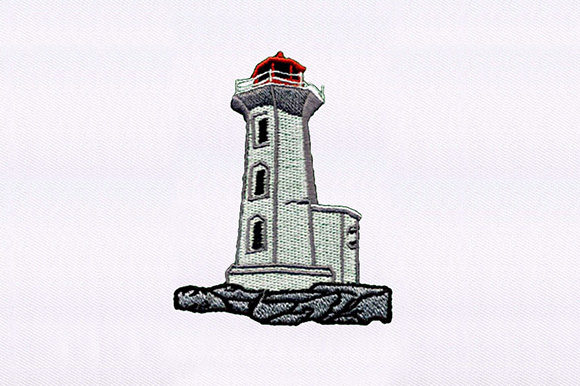
As an embroidery designer who’s stitched hundreds of craft fair booth samples—and watched which designs stop shoppers mid-aisle—Detailed Lighthouse lands exactly where it should: warm, timeless, and quietly evocative. It’s not loud or cartoonish; it’s not minimalist or abstract. It’s coastal elegance—a machine embroidery design that reads as handmade quality before the customer even touches the fabric. The title alone signals intention: “Detailed” isn’t filler—it’s a promise of thoughtful line work, balanced negative space, and layered texture that translates beautifully across fabric types. For Beach category sellers, this isn’t just another nautical motif—it’s a signature piece with staying power.
Where It Shines on Craft Fair & Handmade Products
Detailed Lighthouse performs exceptionally well across high-visibility craft fair products—especially when placed intentionally:
- Tote bag design: Centered on natural canvas or linen totes, it reads clearly from six feet away. The vertical composition draws the eye upward, reinforcing the lighthouse’s height and presence.
- Apron embroidery: Positioned just above the pocket (not centered low), it adds quiet sophistication without overwhelming the wearer’s movement or workspace.
- Tea towel embroidery: Works best on medium-weight cotton towels—clean lines hold up after washing, and the detail remains legible even when folded on a market shelf.
- Embroidered patch: At 3–4 inches tall, it stitches cleanly and presses flat—ideal for sew-on or iron-on applications on denim jackets, backpacks, or market bags.
- Pillow cover & small pouch: Its balanced proportions scale down gracefully, making it a strong choice for giftable handmade items where craftsmanship is the main selling point.
It’s less effective on curved surfaces like caps unless resized thoughtfully—more on that below.
What Makes It Sell—Beyond the Stitch
This isn’t just about aesthetics. As a working embroidery designer, I evaluate what moves product at weekend markets—and Detailed Lighthouse delivers on three practical fronts:
- Instant recognition: Customers scanning a booth instantly grasp the theme—no decoding needed. That’s critical in a crowded handmade market where attention spans are measured in seconds.
- Photogenic clarity: It photographs well for Etsy listings and printable mockups—clean edges, consistent stitch density, and no muddy transitions mean your digital embroidery file translates faithfully to screen and shelf.
- Batch-friendly consistency: Once dialed in, it repeats reliably across dozens of tote bags or tea towels. No fussy re-hooping or manual adjustments required—just solid, repeatable production.
Careful-Use Notes for Real-World Production
“Detailed” means something real—not just marketing. Here’s what demands attention before you commit to 50 embroidered patches or a full booth run:
- Dense stitch areas: Watch the lantern glass and base stonework—these sections carry higher stitch density. Use cutaway stabilizer on lightweight fabrics and test thread tension to avoid puckering.
- Small details on textured surfaces: Avoid using Detailed Lighthouse on heavy terry cloth or highly ribbed kitchen towels—the fine lines may blur. Stick to smooth cotton, linen, or twill.
- Dark fabric contrast: On navy or charcoal, confirm thread colors provide enough pop—especially in the lantern glow area. A light gold or cream rayon thread often lifts the design better than white.
- Cap embroidery caution: The vertical shape doesn’t wrap naturally on curved front panels. Resize to 2.25"–2.5" tall and shift placement slightly upward to preserve proportion.
- Minimum size threshold: Below 2 inches tall, subtle features (like window mullions or rope detailing) risk disappearing. Reserve smaller versions strictly for patches or lining labels—not primary focal points.
Design Impact on Your Brand & Booth Presence
When customers pick up a tote bag with Detailed Lighthouse, they’re not just buying utility—they’re choosing a mood, a memory, a sense of place. That emotional resonance elevates perceived value, supports premium pricing, and reinforces brand consistency across your small shop product range. In a booth display, one well-executed pillow cover or apron with this design becomes a visual anchor—drawing people in to see how the detail holds up in person. It also pairs seamlessly with complementary designs (think seashells, compass roses, or coastal typography), letting you build cohesive collections without repeating motifs.
Pro Designer Checklist Before You Stitch
Before cutting into your best fabric or uploading to your Etsy shop:
- Test the embroidery file on scrap fabric matching your final product’s weight and weave.
- Check thread contrast—especially under natural light, not just studio LEDs.
- Review spacing between elements—does the base sit comfortably within your hoop size? (Confirm hoop size compatibility—this design likely fits standard 4x4 or 5x7 hoops, but verify.)
- Inspect stitch density in the lantern and stonework—adjust underlay if needed for stability.
- Use the right stabilizer: cutaway for knits and lightweight wovens; tear-away for stable cottons and linens.
- Create at least one real mockup—not just a digital preview—to assess drape, texture interaction, and hand feel.
- Compare fabric colors side-by-side: oatmeal vs. ivory, navy vs. indigo—small shifts change how the lighthouse “glows.”
- Confirm commercial licensing applies to your use case—Detailed Lighthouse is a digital embroidery file intended for commercial embroidery, but always double-check terms before selling finished product.
Remember: the strongest craft fair product isn’t just stitched—it’s considered, tested, and trusted. With Detailed Lighthouse, you’re not just adding a beach-themed embroidery file to your catalog. You’re offering a moment of calm, clarity, and coastal connection—one precise stitch at a time.